No construction site has ever been complete without waterproofing materials, including penetrating ones. This is a very important stage in the construction of structures of various purposes and sizes, since moisture is one of the most dangerous substances, the molecules of which gradually penetrate into the pores and capillaries of the surface, destroying it from the inside.
In our article we will talk about penetrating waterproofing, its compatibility with other types of waterproofing materials and give examples of its use areas.

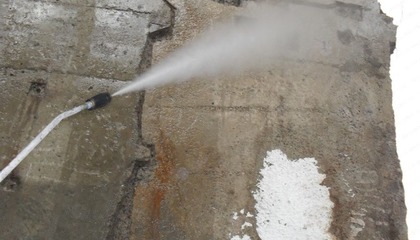 What is waterproofing?
Waterproofing – from the word "hydro" - water and "insulation" - protection.
That is, waterproofing is a material that insulates the surface from destruction due to permanent or temporary exposure to water on it.
What is penetrating insulation?
Penetrating waterproofing is a material that does not just lie on the surface, creating a protective layer, but impregnates concrete.
Thus, this type of waterproofing covers all pores and micropores, preventing the penetration of water molecules into them. The better the material, the deeper it penetrates into the pores of the surface, for example, concrete, and the better it will protect it, prolonging the service life.
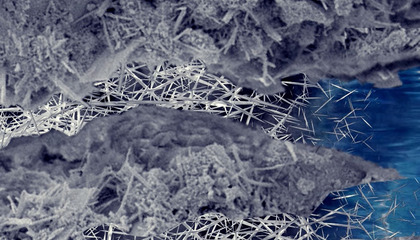 Penetrating waterproofing protects the surface from both positive and negative water pressure.
Is it possible to use several types of waterproofing?
Yes, you can.
But do not mix materials, but apply everything sequentially.
After applying the penetrating waterproofing, you should wait for it to dry completely, then apply another type of any other waterproofing material, for example, coating or painting. Thus, protection against water penetration will be doubly or even three times more reliable.
 Attention: it is necessary to apply each type of waterproofing to the surface in as many layers as prescribed on the package. We don't divide by two.
Where is penetrating waterproofing used?
Since penetrating waterproofing is a fairly versatile material, its scope of use is very wide.
Below we will point out some examples where the material is used:
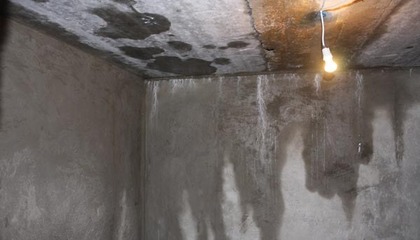 Basements;
- Ground floors;
- Tunnels;
- Elevator shafts;
- Reinforced concrete pipes;
- Swimming pools;
- Decorative pools;
- Water tanks;
- All types of large engineering structures (metro, highway, etc.).
In order for the building to be durable, the stage of waterproofing the surface should not be skipped in any case.