Sealant is an indispensable element in repair work and construction of any complexity. Depending on the main component, there are several types of sealants, namely, acrylic, polymer, silicone and bitumen. It is very important to choose the right composition, as the reliability and durability of the building will depend on it.
Naturally, a sealant intended for outdoor work differs in its technical characteristics from sealants for internal repair and construction work. We offer to figure out which sealant is ideal for outdoor use and why.
 Which sealant is better for outdoor work: polyurethane or silicone?
This is a fairly common question on the web, because silicone and polyurethane sealants are the most popular types of sealants on the market. For interior work, silicone sealant is a universal tool that, due to its high adhesive properties, is suitable for working on almost any basis. The composition of polyurethane sealant is specially designed for use in external repair and construction works, therefore it has higher strength characteristics, and also has a wider range of application and operation temperatures. We will discuss the second in more detail in the next paragraph.
Consequently, having correctly selected a high–quality material from a proven manufacturer, both silicone and polyurethane sealant are perfect for sealing seams and joints, but the first is for internal work, the second is for external work.
What are the advantages of polyurethane sealants?
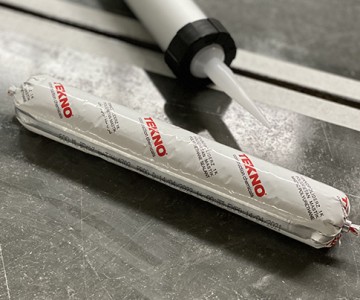
Let's analyze the advantages of polyurethane sealants using the example of Teknopoliderz 1K material from the manufacturer Tekno. This is a one-component compound that is used for sealing horizontal and vertical seams.
The advantages of the material include the following characteristics:
- high adhesion to concrete, stone, metal, wood surfaces, as well as other building materials;
- resistance to aggressive environment, various weather conditions, temperature changes and other external factors;
- high moisture resistance;
- UV resistance;
- high elasticity – elongation at break up to 800%.
- Teknopoliderz 1K sealant can also be applied without primer and painted after drying.
What is polyurethane sealant used for?
The scope of application of the material is quite wide. Teknopoliderz 1K polyurethane sealant is suitable both for sealing joints during minor repair work, as it is supplied in 600 ml containers, and for large-scale construction work, since the setting time does not occur earlier than 60 minutes, depending on weather conditions.
The material is used for:
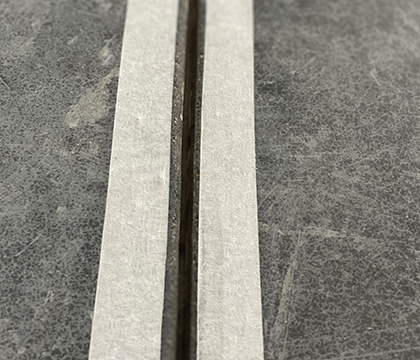 sealing of construction seams on mineral, wooden and brick surfaces
- sealing joints in structures made of brick, wood, metal, aluminum and PVC materials
- sealing of seams after installation of windows, doors, edges outside the premises
- sealing of seams in drainage trays and ladders
- sealing joints on reinforced concrete roofs, gutters and prefabricated gutters
- sealing of seams and joints of bridges
- sealing of seams and joints in various reinforced concrete structures
- sealing joints in prefabricated concrete wall panels
An important point: the thickness of the seam should be from 10 mm to 35 mm.
You can get acquainted with the material in more detail on our website.