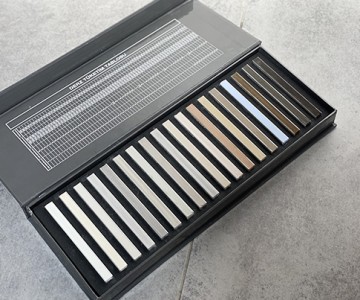
Grout is a material that is used at the very end of construction work. The integrity of the entire facing surface depends on its quality, since it performs a number of very important functions, for example, protecting the finishing material from destruction due to the penetration of water, dirt or dust through poorly sealed seams.
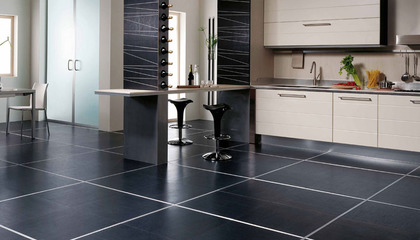 Today, there is a huge selection of grout in the construction market, which differ in composition, strength characteristics, areas of use and, of course, cost.
In this article we will talk about the types of grout and their features.
 What types of grout are there?
Grout is separated by the thickness of the seams: for narrow and for wider.
And also for the main component. Allocate:
- Cement;
- Epoxy;
- Polymer;
- Polymer-cement.
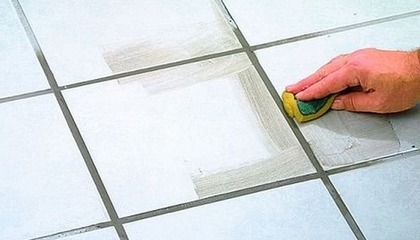 Epoxy grout is based on epoxy resin, and polymer grout is based on special polymer additives. These grouts are resistant to moisture and many chemicals, but their cost is quite high, which is why they are not very popular in the building materials market.
Cement-based grout is considered to be the most popular grout, as they are both high-quality and quite budget-friendly.
What are the features of cement and polymer cement grout?
Special elements are added to the cement base of the grout, thanks to which the material becomes wear-resistant and resistant to moisture.
But such grout is not durable, as they are inelastic, which may eventually begin to crack, crumble, and so on. That is why polymers began to be added to the cement-based grout, thanks to which the quality characteristics have greatly improved and, as a result, the scope of application has become much wider.
What are the advantages of polymer cement grout over cement grout?
Polymer cement grout has a number of advantages:

- It is elastic, so it does not crack with temperature changes;
- It is durable and wear-resistant, so it does not crumble and does not peel off;
- The grout is water-resistant and frost-resistant;
- It is antibacterial, so bacteria will not collect in the seams.
The wear resistance of high-quality polymer cement grout is 1000 mm3.
Strength – more than 15 N/mm2.
Thermal stability – from - 30 °C to 80 ° C.