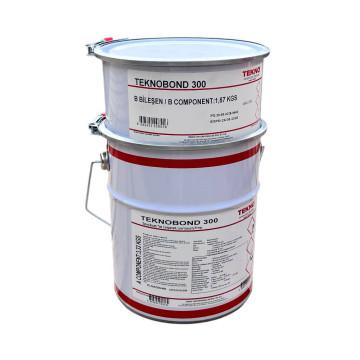
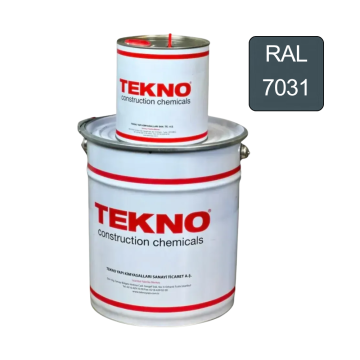
Self-leveling floor is a very popular floor covering today. After all, when using high-quality materials and performing work according to the instructions, it will last at least 40 years. As for materials, an important role is played by a special primer, which must be used before pouring epoxy, polyurethane and other types of self-leveling floors. It is about its benefits that we will talk in our article.
 Why do I need to use a primer before pouring floors?
The most important task of any primer is to ensure high adhesion between the material and the base.
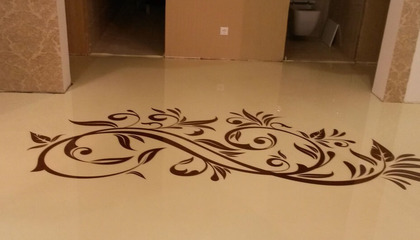 Thus, the finishing coating, in our case, the self-leveling floor, will not begin to peel off, crumble or fall off over time.
For self-leveling floors, it is better to use a special primer intended for use as a primer layer before pouring, for example, an epoxy self-leveling floor. Such a primer will also be based on epoxy resins, will have a low viscosity and excellent penetrating ability into the pores of concrete.
The quality of the finished surface depends on the quality of the primer. Therefore, it is definitely not worth saving on this material.
How to apply the primer correctly?
The primer can be used on any mineral surfaces.
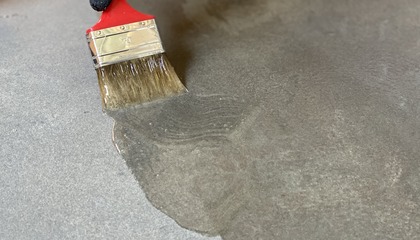 The main thing is that they are strong, smooth and clean. The primer is not a repair mixture and not plaster. This is a thin-layer material, with the help of which it will not be possible to seal up irregularities or cracks.
Applying the primer is easy enough. Depending on the porosity of the surface, you can use a metal spatula, a roller with synthetic pile or a rubber squeegee. You should not regret the material, but there should be no puddles on the surface. The layer should be smooth with an approximate consumption of 300-500 g/m2, which also depends on the porosity of the surface.
The primer can be applied both in 1 layer and in 2, if it is strongly absorbed into the base after the first one. The primer dries within 24-72 hours, depending on the surface temperature and air. After that, you can start pouring epoxy or another type of floor.