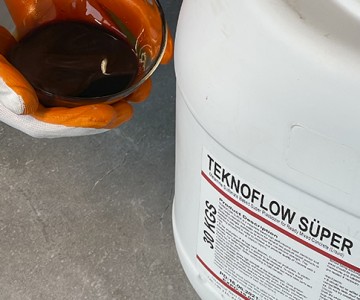
There are many different additives for concrete, the purpose of which is to increase the wear resistance and strength of the concrete surface, to ensure that the concrete does not dust, to prevent it from cracking after drying, to create a more convenient plastic mixture for pouring, to provide the opportunity to work with concrete under various weather conditions, such as strong wind, high or very low temperature, etc.

 In addition to obtaining a concrete mixture of the correct consistency, plasticizers also improve the technical characteristics of concrete after its solidification. Cracking of this building material during and after drying is a huge problem, and the plasticizer just eliminates it very successfully.
- Hydrophobic;
- Hydrophilic.
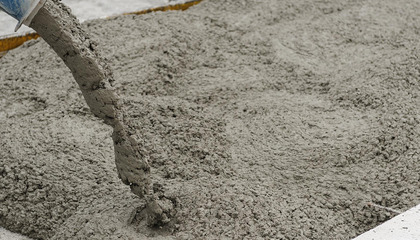 Hydrophobic plasticizers saturate concrete with air. Due to this, the surface becomes more plastic, and the moisture tension in the concrete decreases. And hydrophilic plasticizers are used specifically to give the concrete mixture better fluidity and plasticity, so that the filling becomes more comfortable, without requiring the addition of a larger volume of water.
An excellent example of a plasticizer that increases the plasticity of the concrete mix and reduces the volume of water used during mixing is Teknoflow Super. It is produced on the basis of naphthalene sulfate. A plasticizer is added in a ratio of 0.5-2% to the total mass of the mixture. And even such a seemingly small volume of the additive will be enough to make the entire concrete mixture stronger and more durable, and it also provides the opportunity to work with concrete at low air temperatures. In addition, thanks to the use of a plasticizer, such a phenomenon as the formation of voids becomes unlikely.
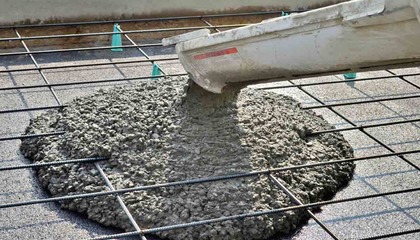 They are used for the construction of both huge engineering structures and small residential premises, because the need to use plasticizers extends not only to large concrete buildings, but also to small ones, because the goal is to create a wear-resistant and durable surface regardless of its size. The material is used when pouring concrete for:
- Residential premises;
- Medical institutions;
- Educational institutions;
- Shopping centers;
- Metro;
- Tunnels;
- Highway;
- Dams and so on.