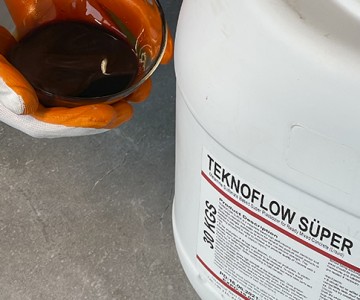
A plasticizer for concrete is a special additive that is added when mixing a concrete mixture to give plasticity to the material and reduce the volume of water for mixing. Plasticizers for concrete have many advantages, so in this article we would like to talk about them and about the principle of operation of these additives.

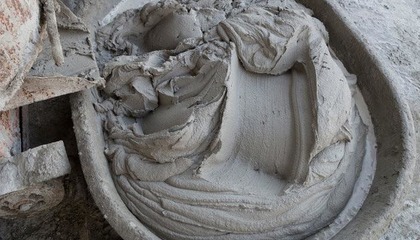
The advantages of using plasticizer additives include:
- Reducing the volume of water during mixing, thereby increasing the strength of concrete;
- Ensuring plasticity and good fluidity of the concrete mix during pouring;
- Preventing the formation of voids;
- Ensuring high-quality pouring of the concrete mixture of the correct consistency even in a cold or very windy climate;
- Increasing the durability and wear resistance of the concrete surface.

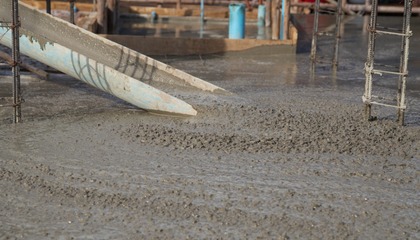 Depending on the type of plasticizing additive and the required consistency of the working mixture, the ratio of the additive to the total concrete mass can vary from 0.5% to 2%. The ideal time for pouring concrete is considered either earlier in the morning or in the evening, since after pouring on the surface, direct sunlight and all kinds of precipitation are undesirable. Also, when pouring concrete at low temperatures, it is necessary to protect the surface from freezing, as this threatens the formation of cracks on the concrete.
The plasticizer makes the concrete mixture dense and plastic, thereby eliminating the need to add more water than the required volume and, as a result, the concrete after drying has no predisposition to cracking.
The adhesion of the concrete mixture to the surface also increases, since the adhesion index of the additive itself is more than 2 N/mm2.