Finishing houses with plaster is gaining very strong popularity due to the following factors:
- the ability to create a variety of patterns using just one or two tools;
- ensuring a long service life of the surface.
There are many types of decorative plaster that are widely used for both interior and exterior decoration.

 What are the types of plaster for exterior decoration?
Among the types of plasters for exterior decoration , the following are distinguished:
- plasters for repair work, which are used to level the surface before applying cladding materials;
- decorative plasters that serve as a wear-resistant facing material.
Each species has its own subspecies. The composition of the plaster for repair work is divided into:
- plaster;
- cement-sand.
For the composition and desired effect , decorative plasters are divided into:
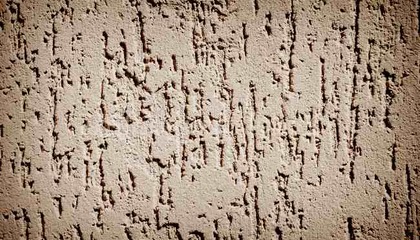
- bark beetle;
- mineral;
- silicate;
 acrylic;
- polymer.
 Advantages when using decorative plaster for exterior decoration of the house
When finishing rooms with plaster, including residential ones, there are quite a lot of advantages. Below we will analyze some of them:
- Environmental friendliness: plaster has no toxic substances in its composition.
- Cost: plaster is much cheaper than many finishing materials with the same level of quality.
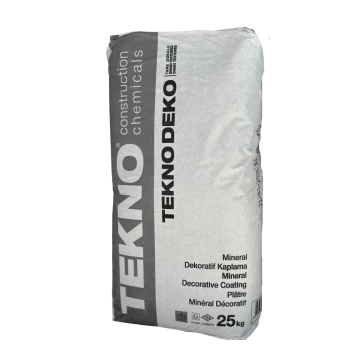
- Quality: when choosing high-quality plaster from a trusted manufacturer (for example, Teknodeko), the surface will serve as a durable facing material for many decades.
- Easy to care for: decorative plaster does not require treatment with special compounds when washing. It is enough to wipe it with a damp cloth or wait for the rain, which will wash away all the dust from the surface.
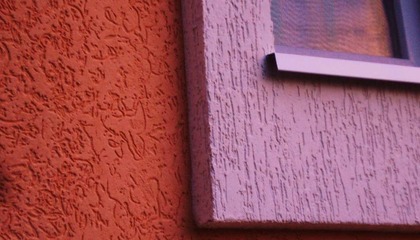 A variety of colors: the plaster can either be painted after drying in any color, or at the stage of mixing dry powder with water, add a special dye and immediately apply the plaster in the desired color.
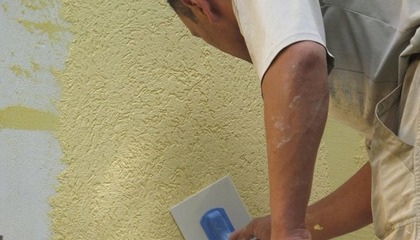
- Variety of patterns: there are no restrictions in creating patterns after applying the last layer of plaster. The pattern depends on the skills and virtuosity of the master.
- Vapor permeability: due to this characteristic, a greenhouse effect will not be created in the walls of the room.
Disadvantages when using decorative plaster for exterior decoration of the house
Based on all the above advantages, we can conclude that this is an ideal finishing material. In fact, it is if you:
- Pick up high-quality plaster;
- You will find a good master with work experience;
- You will control the temperature range of work execution in accordance with the instructions prescribed for working with a specific plaster (usually, it is recommended to apply plaster at a temperature of at least 5 ° C).