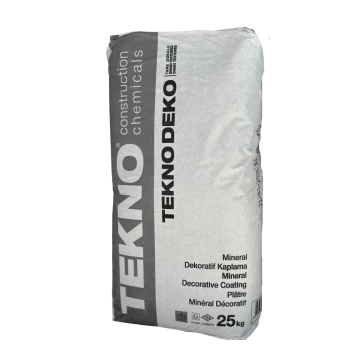
Decorative plaster has a huge number of varieties. For many years it continues to be a favorite facing material in many countries of the world.
In this article, we would like to talk about bark beetle and fur coat and determine which of these materials professionals recommend using.

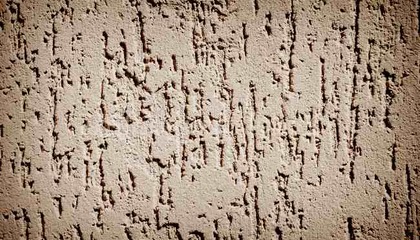 What is a bark beetle?
Bark beetle is a cement–based plaster, which contains polymer additives, as well as marble chips with an average size of 1.5-2 mm.
The name of the plaster came from its appearance, which after drying turns out to look like a surface eaten by a bark beetle. The layer of application of the material is up to 2 mm.
What is a fur coat?
A fur coat is a cement based plaster, which contains dolomite crumbs.
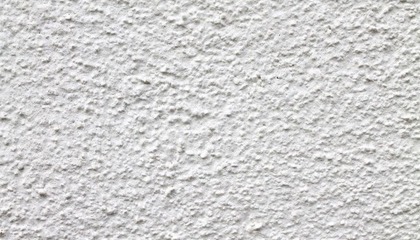 The surface after drying turns out to be granular and rough. The coat application layer averages 3 mm.
What are the similarities and differences between a bark beetle and a fur coat?
Both bark beetle and fur coat are an excellent option for surface cladding.
These are 2 types of decorative plaster, which have a number of differences, including:
- Placeholder;
- Thickness of the application layer;
- Expenditure;
- Invoice;
- Application method;
- Application time.
Since the texture and method of applying bark beetle and fur coat is different, their appearance after drying will also be different.
Both bark beetle and fur coat can be used for exterior and exterior work, but most often they are used for exterior facade work.
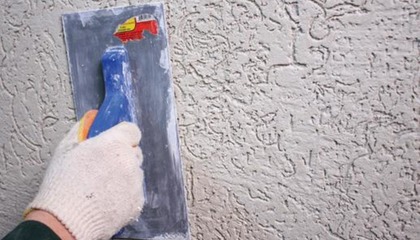 What to choose: a bark beetle or a fur coat?
Masters say that it is much easier to work with plaster called a fur coat than with a bark beetle.
Since the bark beetle must be applied to the surface continuously from corner to corner to get a perfectly smooth surface in one tone, and with a fur coat everything is much easier.
The disadvantage of the plaster coat is its consumption. It is almost twice the size of a bark beetle. Accordingly, the price of the cladding turns out to be higher.
The bark beetle and the fur coat are similar in quality.