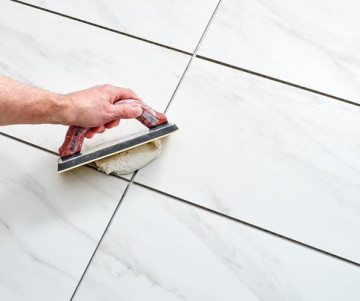
There are several types of grout for tiles, depending on the main constituent component, but not each has the necessary characteristics for use on surfaces that will be affected by chemicals during operation. The resistance of grout to chemicals depends on its composition, quality and purpose.
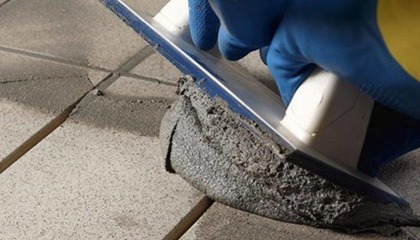
Some types of grout, such as epoxy grout, such as Teknobond 700 or polyurethane-based grout, have improved chemical resistance. They may be more resistant to acids, alkalis and other chemicals than conventional cement grout. These types of grout are often used in commercial and industrial environments where the surface may be exposed to aggressive chemical attack, such as manufacturing plants, laboratories or chemical warehouses.

However, it is important to note that even chemical-resistant grout can lose its properties during prolonged and intense contact with aggressive reagents. Therefore, when choosing grout for tiles in rooms where exposure to chemicals is expected, it is recommended that you contact the manufacturer to find out suitable options and proper application.
To increase the resistance of tile surfaces to chemical attack, a special hydrophobic coating or sealing compounds can also be used to help protect the surface of the tile from moisture and chemicals. This can be especially important for tiles in sanitary areas, kitchens or other areas where contact with aggressive substances is possible.