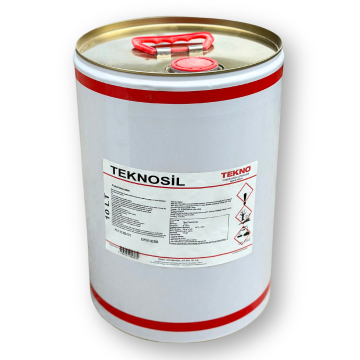
Hydrophilicity is the cause of the destruction of many building materials, including concrete and bricks. That is why it is recommended to cover such materials with special compounds that will repel water, protecting them from destruction, thereby increasing the life of buildings.
In this article we will talk about hydrophobizers for concrete and brick.
 What is a hydrophobizer?
A concrete hydrophobizer is a material that protects concrete from destruction due to exposure to water.
 Most often, such material is produced on the basis of silane-siloxane.
A hydrophobizer for a brick is a material that protects a brick from destruction due to exposure to water and it is produced on the basis of a solvent.
What advantages are distinguished when using hydrophobizers?
A high-quality hydrophobizer penetrates the pores of the building material, providing the following functions:
- Protection from moisture penetration;
- Protection from alkalis;
- Protection from ultraviolet rays;
- Increase in the strength of the surface.
 How does the hydrophobizer work?
The hydrophobizer is applied to the surface in 2 layers, forming a film.
It is usually transparent. After the hydrophobizer dries, the film becomes a reliable barrier to moisture penetration.
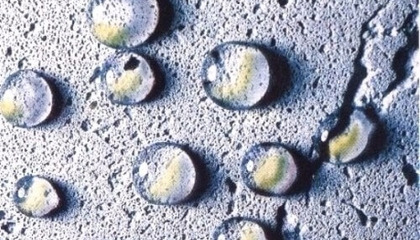
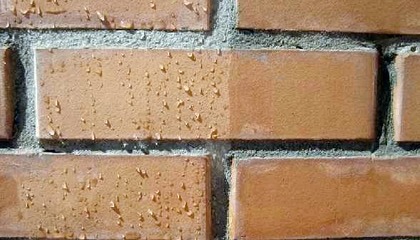
If you pour water on a surface covered with a hydrophobizer, we will see how it has divided into several drops that roll on the surface, but are not absorbed into it.
What other building materials can be covered with a hydrophobizer?Solvent-based hydrophobizer can cover concrete, stone, brick and plaster.
Silane-siloxane based hydrophobizer can cover concrete, marble, granite, slate stone.
The material consumption ranges from 120 to 200 g/m2.
When applied, the material seizes in 45-60 minutes.