The durability of your repair and construction as a whole depends on the correct choice of building materials. And since waterproofing is not the last place in importance, it is necessary to approach this issue responsibly.
There are different types of waterproofing that can be used at home. But the most popular are acrylic and polymer-cement compositions. What parameters they differ in and which one is better to choose for the house we will analyze in our article.
 What is polymer cement waterproofing?
Polymer-cement waterproofing is a material based on cement and special chemical additives, including polymers, used in production.
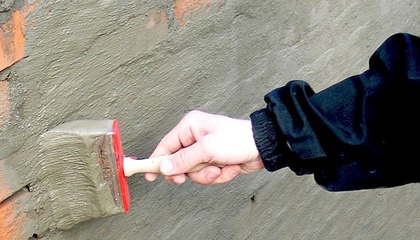 By adding special components, it is possible to create inelastic and elastic waterproofing, resistant only to positive water pressure or to both types, etc. Using the example of high-quality polymer-cement waterproofing Teknomer 200 EX, we list several advantages:
- High strength;
- Resistance to positive water pressure;
- Protection of concrete from the effects of sodium chloride and calcium, carbon dioxide and seawater;
- Tolerance to contact with drinking water;
- Durability and crack resistance;
- Low cost.
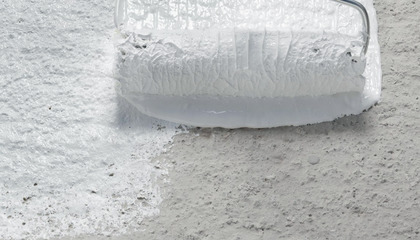 Acrylic waterproofing is made on the basis of acrylic resins, thanks to which the material is characterized by elasticity and wear resistance.
An excellent acrylic waterproofing material for the house is Teknomer 300. The advantages of the material include:
- High elasticity, even at low temperatures;
- Resistance to positive water pressure;
- High adhesion;
- Ready for use;
- Ease of application.
One of the disadvantages is that acrylic waterproofing compounds usually protect the surface only from positive water pressure. But for the use of the material at home, this minus has no special effect.
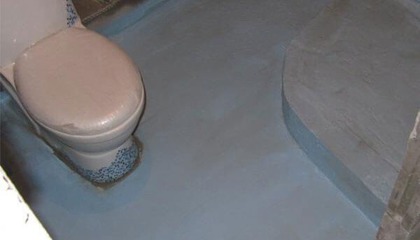 It is more expensive, but much more convenient to use: it does not need to be kneaded with water, since a ready-made composition is sold in a bucket, which you just need to mix before applying.
If you have already worked with construction materials more than once and do not want to spend extra money on repairs, then polymer cement waterproofing is ideal.
As for the quality, both types of waterproofing materials perfectly cope with their task, provided that the right mix is selected and repairs are carried out correctly.

