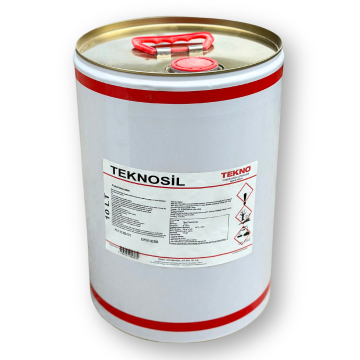
Water repellents are special chemicals that are used to reduce the absorption of water by the surface of the material, providing it with water-repellent properties. Depending on the chemical nature and mechanism of action, there are several types of water repellents that can be used for various materials and conditions. Below we will analyze these types, as well as their characteristics, advantages and disadvantages.
 Silicone water repellents
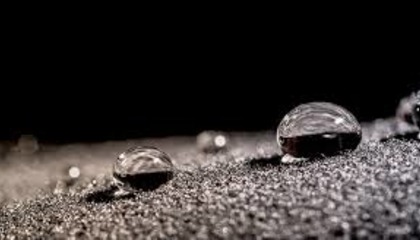 They are based on silicone polymers and have a high level of hydrophobicity. These water repellents are suitable for many types of surfaces such as stone, brick, concrete and wood. They can be used both on external and internal surfaces.
Silane water repellents
They contain silane substances that provide a chemical bond with the surface of the material. These water repellents are often used to protect concrete and stone. They allow you to create excellent water-repellent layers on the surface of the material.
Siloxane water repellents
They contain siloxane compounds, which also interact with the surface of the material and provide hydrophobic properties. These water repellents are often used on stone, brick and wood.
Silane-siloxane water repellents
 This is a combination of silane and siloxane substances, combining their advantages. These water repellants are commonly used on various types of surfaces such as concrete, stone, wood and brick. Teknosil W is an excellent example of a silane-siloxane water repellent that is used on both weakly absorbent surfaces such as concrete, granite, slate stone, and suction surfaces such as travertine, limestone, aerated concrete, etc.
If you need help in choosing a material for hydrophobizing a particular object or surface, it is recommended to contact specialists or suppliers of hydrophobisers. Call 067 486 42 41 for appropriate advice and recommendations, taking into account the type of material, operating conditions, the need for water repellency and other factors influencing the choice of the optimal water repellent.
However, do not forget that in addition to the correct selection of the material, it is also important to follow the manufacturer's instructions and correctly apply the water repellent according to the requirements in order to achieve maximum effectiveness in protecting the material from the effects of water and moisture.