The road marking device is a very important stage in the organization of traffic, therefore, quite a lot of attention is paid to the choice of materials. They must be selected depending on the type of road, operating conditions, requirements for visibility and durability.
Below are some of the most common road marking materials.
 Road marking materials
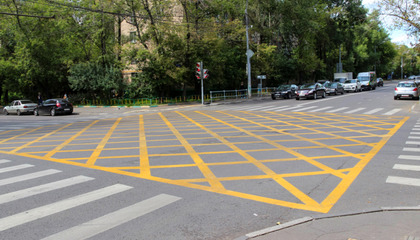 One of the most popular choices for horizontal road markings are thermoplastic materials. They are applied to the road surface in molten form, after which they cool and harden. This marking has good visibility, wear resistance and durability.
Water-based or solvent-based paints are used for marking on asphalt and concrete surfaces. They are easy to use and fairly cheap, but are generally less durable than thermoplastic materials.
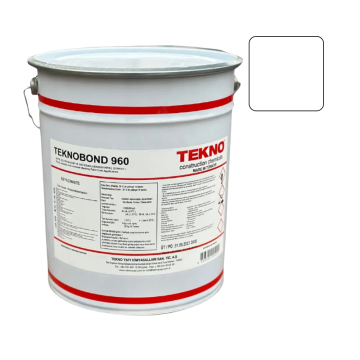
Synthetic resin based paints are a hardwearing and durable material that is also used on asphalt and concrete surfaces, but provides high-quality indelible markings. Teknobond 960 is a good example of this. It is wear-resistant, quick-drying, UV-resistant and also reflective.
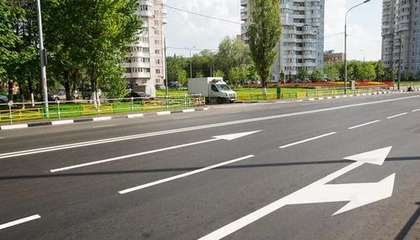 Cold plasticized pavement (CPP) - materials that are applied in a cold state and are characterized by good adhesion to various types of road surface. They are usually used as an alternative to thermoplastics or paints where they are not suitable.
To provide better visibility in low light conditions, special reflective beads can be used, which are added to various road marking materials to provide better visibility. This is especially important for road markings on highways and roads in rural areas.
Chemical reagents can be used to create temporary markings on the road. Usually they are used during temporary repairs or transitional road reconstruction.
Each of these materials has its own advantages and disadvantages, and the choice depends on the requirements and conditions of a particular road marking project.