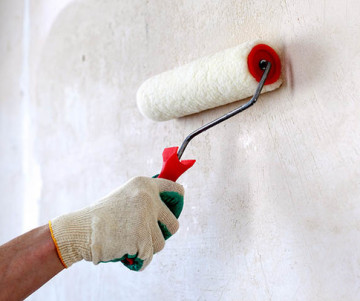
In most cases, priming the concrete before applying the varnish is the desired procedure. The primer is a layer of special additional material that is applied to the surface before applying many facing materials, including varnish. The main task of the primer is to provide excellent adhesion between the material and the surface. A universal primer is Teknolatex 100, which can be primed on both concrete and brick, plaster, gypsum and many other types of surfaces.
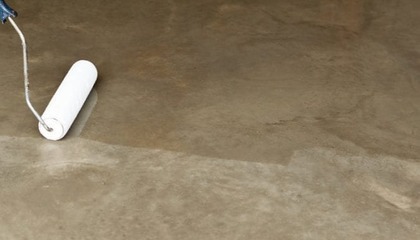 We offer you to get acquainted with some reasons why priming concrete before applying varnish may be necessary:
1.Improve adhesion
The primer creates good adhesion between concrete and varnish. This is quite important, as the concrete surface can be porous and not very suitable for strong adhesion to the varnish without additional preparation.
2.Pore filling
A primer can help fill in fine pores and irregularities in the surface of the concrete, which provides a smoother, more even base for the varnish to be applied.
3.Improve durability
The primer can serve as an additional protective layer, increasing the durability and resistance of the varnish coating.
4.Material saving
A primer can help reduce varnish consumption as it creates a more even surface and reduces varnish absorption into the concrete.
 Is priming a surface always a mandatory step?
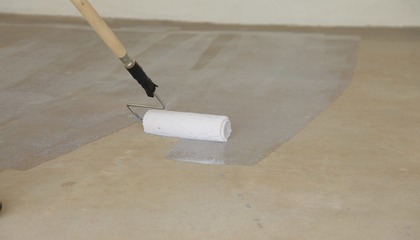 The use of a primer is not always a mandatory step. There are materials, including concrete lacquers such as Teknocila 400 or Teknocila 450, that do not require surface preparation with a primer. But this must be indicated by the manufacturers in the technical data sheet or on the packaging of the material.
It is important to always follow the manufacturer's instructions for application and surface preparation for optimal results.