Micro concrete or micro cement is a novelty among repair materials, which is characterized by high strength and versatility in application. In our article we would like to talk in more detail about this material and its areas of application.
 What is a micro-concrete and what are its features?
The cement-based finishing material, which includes various special chemical additives that make it strong, durable and wear-resistant, is called micro-concrete.
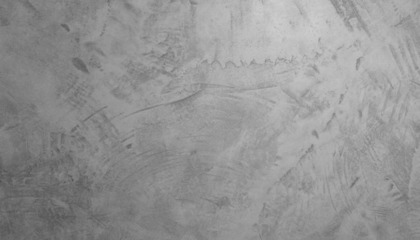
Micro concrete can be compared with high-quality polymer cement plaster covered with several layers of varnish.
Micro concrete is produced in several variants:
- Option 1 can be applied to horizontal and vertical ceiling, floor and wall surfaces;
- Option 2 is designed separately only for the floor and separately for the walls and ceiling.
 Advantages of micro-concrete
The advantages of the micro-concrete are quite a lot. We have identified the main:
- Endurance;
- Wear resistance;
- Durability;
- Moisture resistance;
- Easy to apply and care for;
- Versatility.
 Where can micro-concrete be used?
Micro concrete has very good adhesion, thanks to which it can be used in a variety of places, applying to surfaces such as concrete, cement plaster, gypsum plaster, drywall, previously painted surfaces, etc.
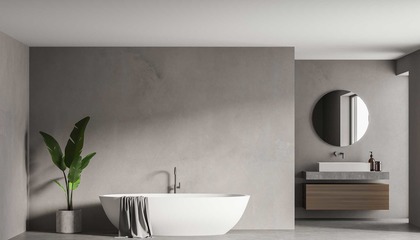
It is possible to cover surfaces with micro-concrete in all types of residential premises, medical and educational institutions, etc., including in rooms with high humidity.
 When using micro concrete in wet rooms, it is necessary to cover it with a special varnish to extend its service life.
Material intended for interior decoration.
Are there any disadvantages of micro-concrete?
When choosing a high-quality micro concrete, proper surface preparation and compliance with the technology when mixing and applying the material, no disadvantages have been found until today.
Therefore, you can safely use micro-concrete in your interior.
