Reconstruction of a historical property is a complex process that requires special attention to the historical, cultural and architectural values of the building. This article outlines the basic steps to consider when planning and executing a renovation of a historic property.
Research and analysis
 The first step is to conduct research and documentation of the historical property, including historical photographs, drawings, archival documents and descriptions. The current condition of the building should then be assessed, including structural condition, materials, utilities and interior design.
Defining goals and requirements
After completing the first step, it is necessary to determine the goals of the reconstruction, such as restoring the original appearance, improving functionality, meeting modern standards and requirements, preserving historical characteristics, etc.
Local and national regulations and laws regarding historic preservation should be considered.
Design
The third step is the creation of architectural drawings and plans, which include changes to the exterior and interior planning. This also includes developing plans for utility systems, including electrical, plumbing, heating, ventilation and air conditioning (HVAC), and obtaining necessary permits and licenses.
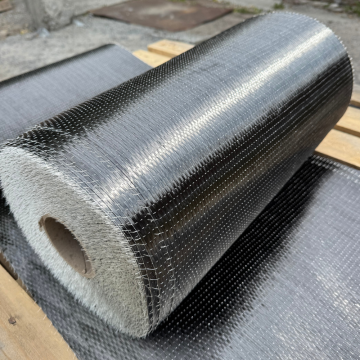
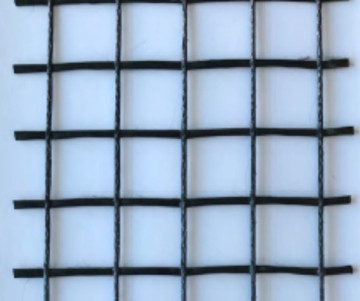
 At this stage, suitable materials for reconstruction are selected. These can be modern systems for strengthening the building, for example, carbon fiber, various decorative materials, for example, plasters, etc.
Funding and budget
Based on the cost of materials and the work of architects and builders, it is necessary to estimate the total cost of reconstruction and create a budget.
Construction and reconstruction
The last stage is the execution of the work itself, during which it is necessary to monitor the implementation of project plans and control the quality of work.
Renovating a historic property requires careful planning, selection of high-quality materials, coordination and collaboration with historic preservation experts and local authorities. It is important to preserve the authenticity and cultural heritage of the property while updating its functionality and safety.

_117_1748247133.png)
_382_1693915921.jpg)

_383_1693917932.jpg)