12 Sep 2023
How to reconstruct a historical site
This article outlines the basic steps to consider when planning and executing a renovation of a historic property.
Read articleProducts > Structural bonding and reinforcement of structures
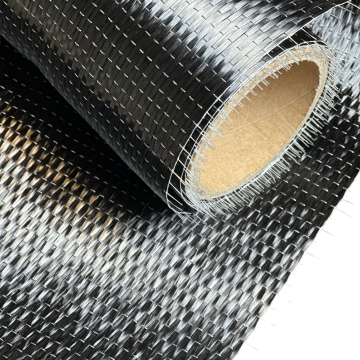
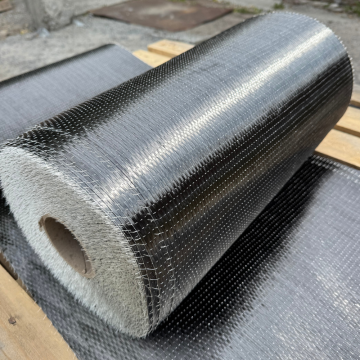
Epoxy adhesive for gluing carbon fibers and rods
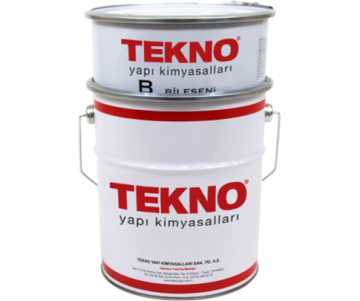
Teknobond 330 is a two component, solvent free, thixotropic epoxy adhesive.
Applications:
Characteristics:
Surface quality, seams and joint surfaces must be dry and free from any kind of dust, dirt, loose and loose particles, grout residues, oil and grease. If present on weak concrete parts, they should be removed and the surface repaired with Teknogrout or Teknorep repair mortars.
The concrete base must be strong and have sufficient compressive strength (minimum 25 N/mm²) and a peel strength of at least 1.5 N/mm².
Component B should be added to component A and mixed with a low speed electric mixer (400 rpm) for 2-3 minutes until a homogeneous working mixture is obtained.
First you need to prepare and cut the carbon fibers of the required size. The epoxy glue should be evenly applied to the concrete surface with a spatula, and then the carbon fiber should be pressed to the surface. Remains of glue should be removed immediately with a plastic roller with small teeth.
After the completion of the laying of carbon fibers, it is recommended to sprinkle with a thin layer of sand and apply plaster, because carbon fibers do not burn, however, the epoxy grout can catch fire at a certain temperature.
Notes:

This article outlines the basic steps to consider when planning and executing a renovation of a historic property.
Read article
Today, modern materials that have the look and texture of historical counterparts are used in the reconstruction of historical objects.
Read article
Strengthening reinforced concrete structures in order to increase their strength, stability and ability to withstand additional loads can be done using different methods.
Read article



_382_1693915921.jpg)