Every master in the field of construction knows that practically no building in the modern world can do without the use of concrete. But he also knows that this concrete must be strengthened immediately after pouring or after drying.
In this article, we have prepared options for concrete hardeners and examples of materials.
 Concrete hardening material 1: topping
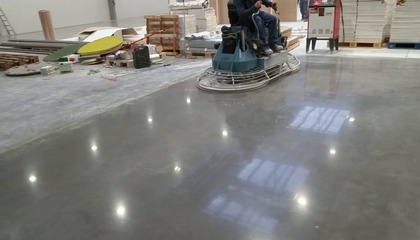
Topping for concrete is one of the most popular hardeners for concrete because of its relatively inexpensive price and high strength.
 Toppings for concrete are usually produced in two types:
- based on quartz
- based on corundum crumbs.
Dry topping is used to harden concrete in a variety of rooms. For an excellent example, we can take the material Teknoser 100 - quartz topping, which increases the strength of the concrete surface by 1.5 times and Teknoser 300 - corundum topping, which increases the strength of the concrete surface by 2 times. Dry toppings can be additionally coated with varnish or curing.
Such a hardener is suitable for indoor and outdoor use, but only a master with extensive experience can cope with its installation. Therefore, if you decide to strengthen the concrete yourself with dry topping, then at least consult an experienced master. Since such toppings can even harm concrete with improper laying.
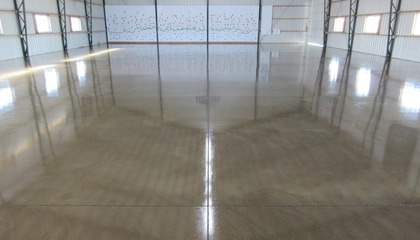
Among the varnishes for concrete, varnishes based on acrylic resins are popular. They both strengthen concrete and create a beautiful glossy coating.
Among the varnishes for concrete, it is impossible not to single out Teknocila 350. This is a fast-drying high-performance acrylic varnish for concrete, which will cover all the necessary requirements for the operation of surfaces.
When using both topping and concrete varnish, the surface will turn out to be much stronger. Of course, this must be done if it is really necessary. Otherwise, the money will simply be spent.
Concrete hardening material 3: curing
Curing is the so-called lightweight version of concrete varnish.
It also hardens the surface, 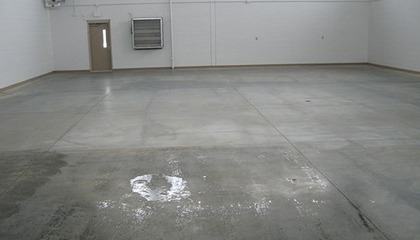 but is 2 times weaker in contrast to varnish. This material is usually used to prevent rapid loss of moisture from concrete when it dries after pouring, thus eliminating the possibility of cracks. We draw your attention to high-quality curing for freshly laid concrete Teknokur 100.
Concrete hardening material 4: impregnation
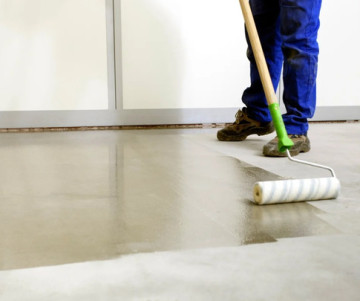
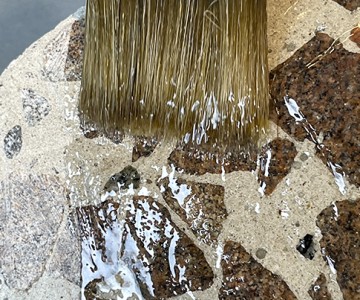
Impregnation is a liquid hardener, the essence of which is the penetration into the pores, micropores, microcracks of concrete.
With the help of a chemical reaction, a protective layer is created that protects the concrete from destruction due to the effects of moisture. Impregnations are based on different components, for example, based on lithium silicate - Teknoser Lityum or sodium silicate - Teknoser Sodyum.
In addition to strengthening the concrete surface, such impregnations provide high wear resistance, including abrasion resistance.


_97_1736950995.PNG)