1. Which thin-layer repair mortar to choose for repairing and final restoration of concrete?
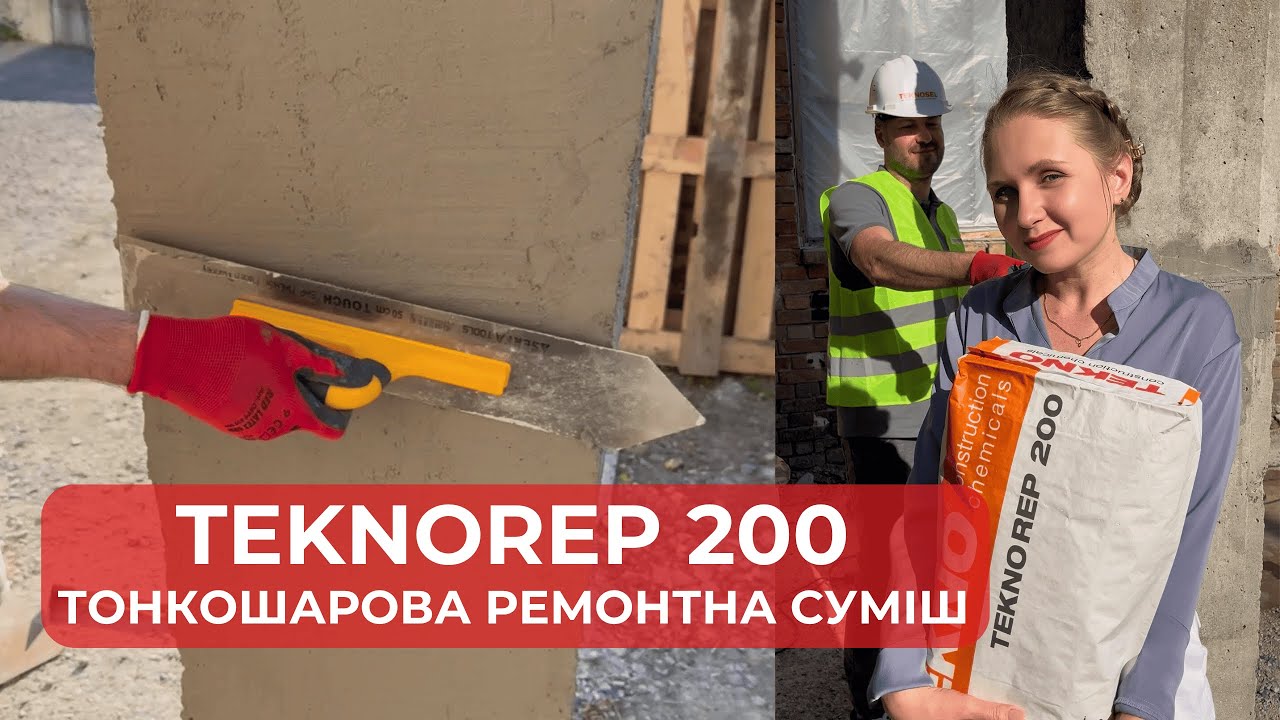
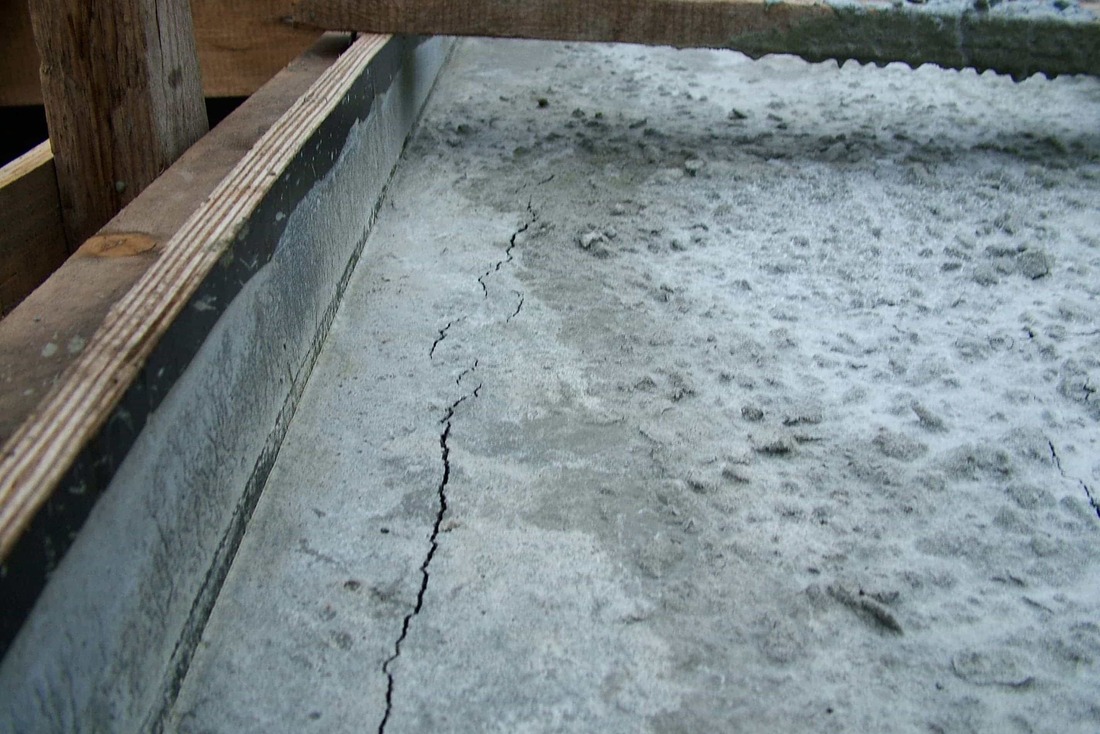
There is a wide range of thin-layer repair mortars for repairing and restoring concrete and reinforced concrete structures. We recommend choosing a mortar with high adhesion to concrete (> 1.0 N/mm²) and compressive strength (> 25 N/mm²). One such material is Teknorep 200 — a high-quality thin-layer repair mortar with excellent adhesion to concrete and metal, reinforced with polymer-cement fibers. It is easy to mix with water and can be applied to horizontal and vertical surfaces. Teknorep 200 is used after removing the formwork, for repairing cracks 3 to 30 mm deep, and for creating a smoother surface during minor repairs.
2. Which repair mortar to choose for external/internal restoration of concrete and RC structures?
For repairing concrete surfaces both outdoors and indoors, choose repair mortars that are resistant to frost and weathering. Polymer-cement mortars like Teknorep 200 are a good option — a thin-layer repair mortar with a plastic consistency for vertical and horizontal repairs, reinforced with polymer fibers.
3. Which repair mortar is suitable for repairing minor concrete defects?
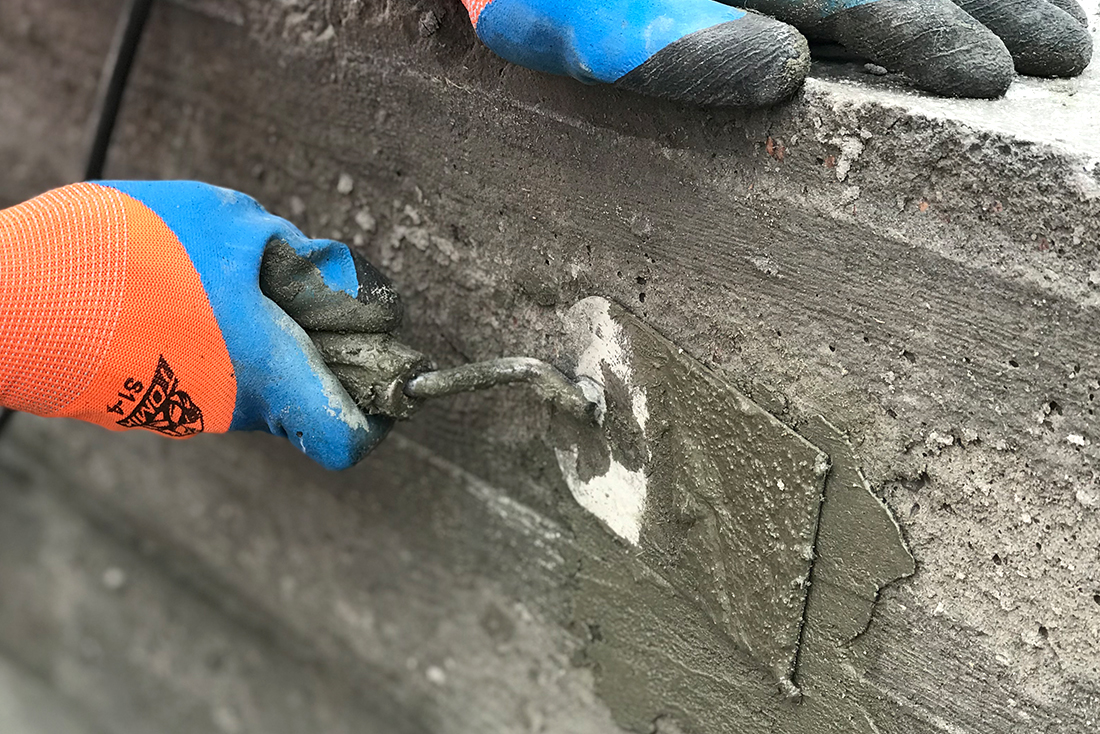
For small-scale repairs of concrete and reinforced concrete surfaces, including final restoration of minor defects, chips after formwork removal, or cracks 3 to 30 mm deep, use repair mortars with a plastic consistency that are easy to apply with a trowel or float. Teknorep 200 is an excellent choice for creating a perfectly smooth concrete surface.
4. Is it important for the repair mortar to be fiber-reinforced?
Yes, fiber reinforcement helps prevent cracking and improves the strength of the coating. Choose mortars reinforced with microfibers, like Teknorep 200, or other similar materials for concrete repair and restoration.
5. What is the application process for concrete repair mortars?
Regardless of the chosen repair mortar (Teknorep 200 or others), the surface should be cleaned of dust and dirt, weak concrete sections removed, moistened, and the prepared mortar applied to the required thickness according to the product instructions. The mortar is typically mixed with a low-speed mixer to a homogeneous consistency.
6. Are thin-layer repair mortars suitable for repairing concrete floors?
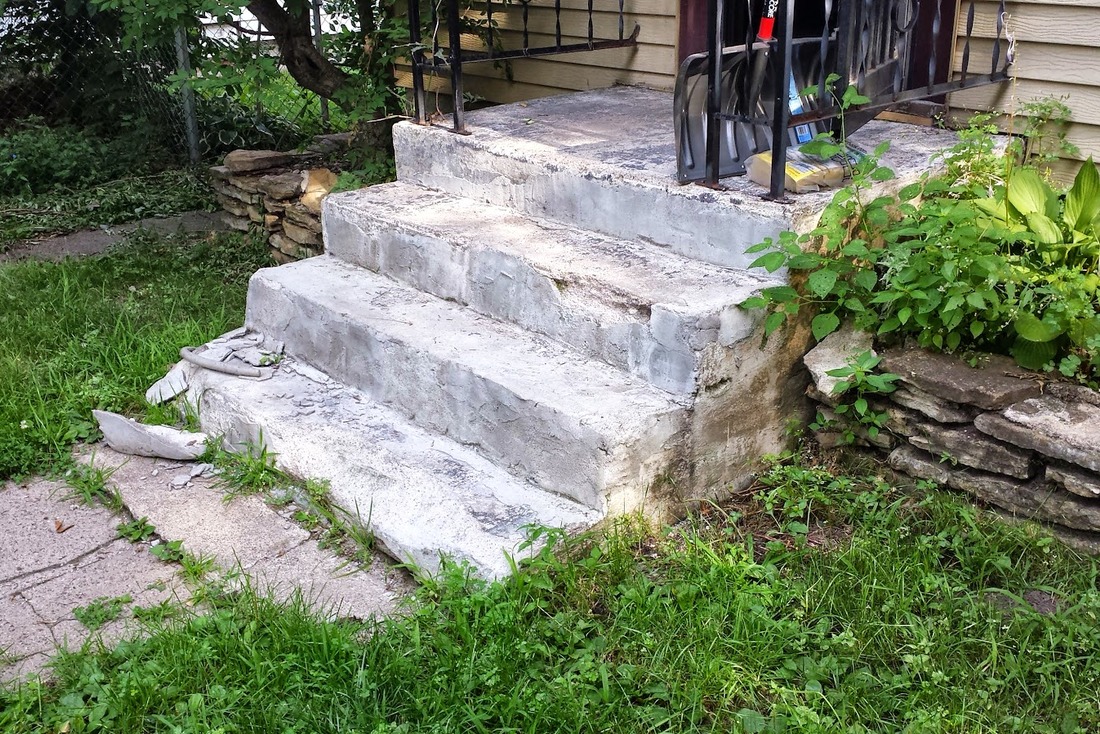
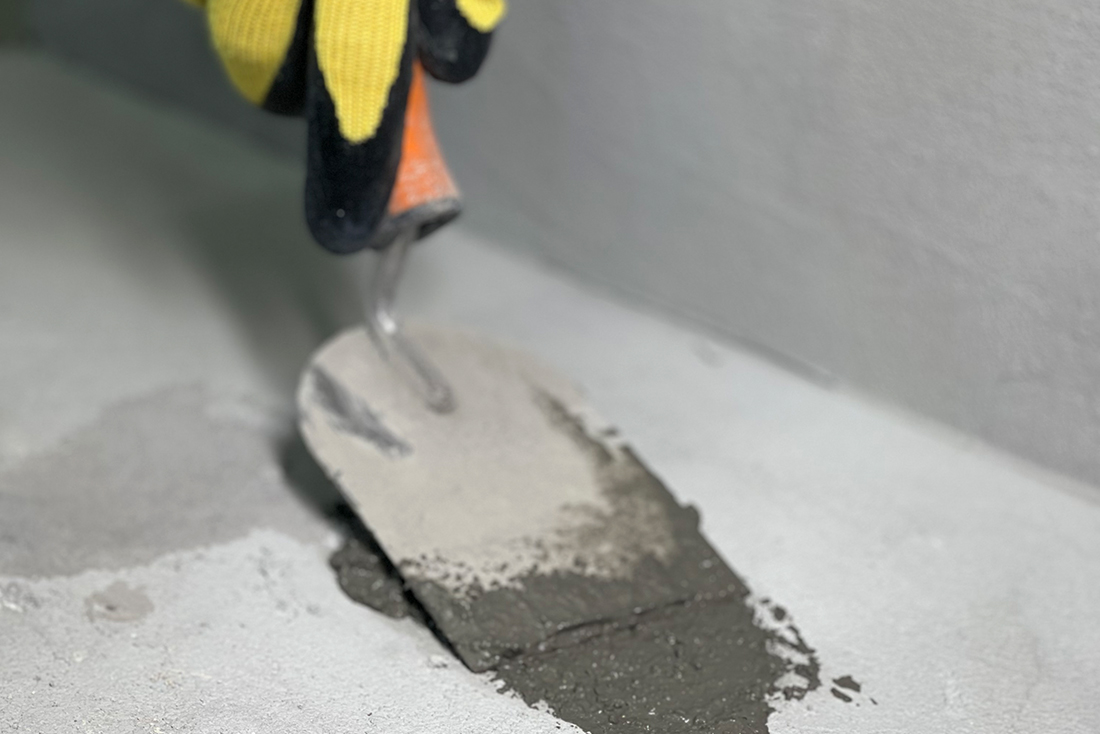
Some thin-layer mortars, such as Teknorep 200, have high wear resistance and strength, making them suitable for repairs and for achieving a smoother surface. Teknorep 200 is ideal for both vertical and horizontal repairs of damages 3 to 30 mm deep.
7. Can thin-layer mortars be used for exterior work?
Yes, for example, the thin-layer mortar Teknorep 200 is designed for both interior and exterior applications. It is weather-resistant and maintains its strength over time.
8. How to restore concrete columns and other RC structures?
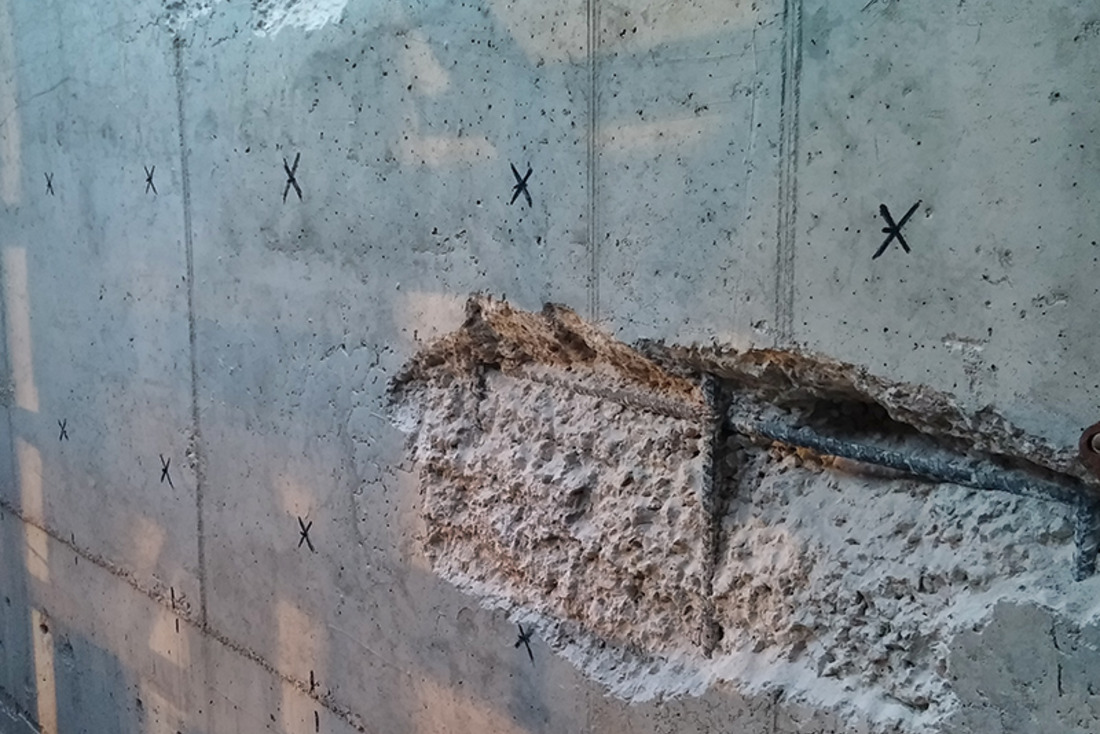
To restore concrete columns, first assess the damage and determine the defect depth. Minor damage, chips, or surface irregularities can be fixed with special thin-layer mortars that adhere well to concrete and are fiber-reinforced to prevent cracking. Before applying, clean the column of dust and dirt and moisten it for better adhesion. A polymer-cement mortar like Teknorep 200 or similar materials with high adhesion to concrete and metal are suitable for this work.
9. How to level a concrete surface?
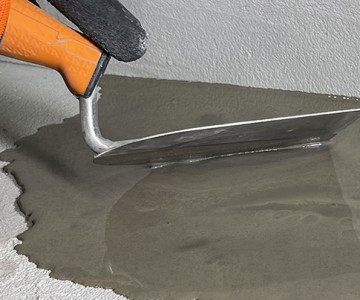
To level a concrete surface, start by cleaning it of dust, dirt, and weak areas. For minor repairs and creating a smooth final layer, use thin-layer mortars with high adhesion and fiber reinforcement to prevent cracking. Teknorep 200 is easy to mix and can be applied with a regular trowel or float.
10. What to use to level the surface after removing formwork?
After removing formwork, concrete surfaces may have small defects: chips, voids, or irregularities. To achieve a smooth finish, clean the surface, moisten it, and apply a thin-layer repair mortar. Such mortars have excellent adhesion to concrete, fill voids, and provide durable surfaces. We recommend using polymer-cement repair mortars such as Teknorep 200.