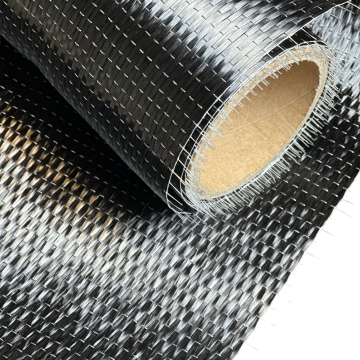
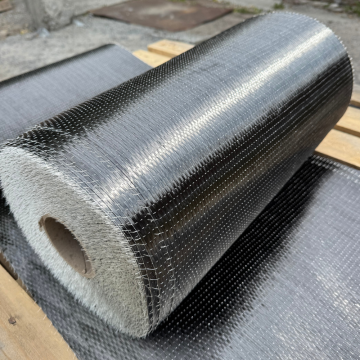
Teknowrap 220 high-strength unidirectional carbon fiber fabric 1 sq.m. (Текноуреп 220)

Products > Structural bonding and reinforcement of structures

Teknowrap 220 high-strength unidirectional carbon fiber fabric 1 sq.m. (Текноуреп 220)

Unidirectional carbon fiber fabric

1650
uah
x
pc.
=
1650 uah
CHECKOUT

Введите свои данные

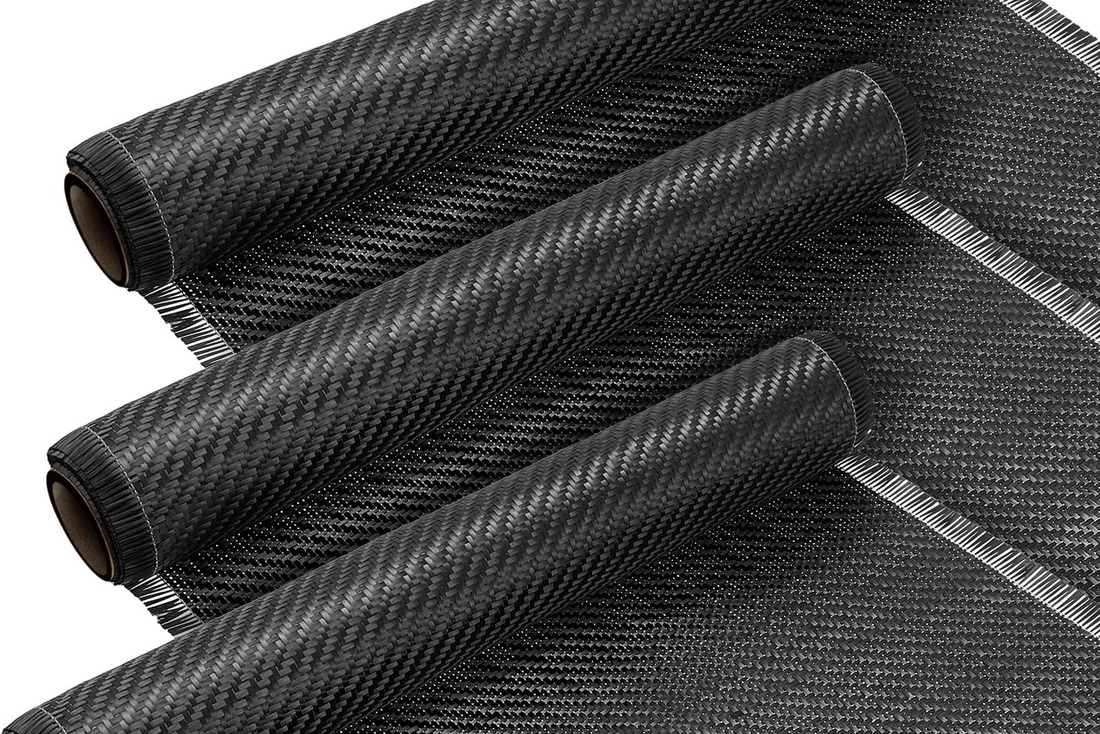
Teknowrap 220 is a high tenacity unidirectional carbon fiber fabric used to reinforce structures.
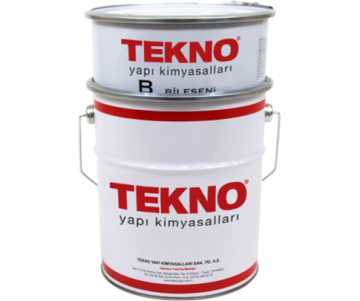
Carbon fibers are one of the strongest materials in the world. Although carbon fibers are as thick as fabric, they are 14 times more tensile-resistant than STL steel and weigh about 1/5 that of steel. The advantage of using fibers is their elasticity, thanks to which they easily take the desired shape and harden when laminating with a special epoxy resin (Teknobond 300 Tix).

Applications:

  • To increase the durability and reliability of structures
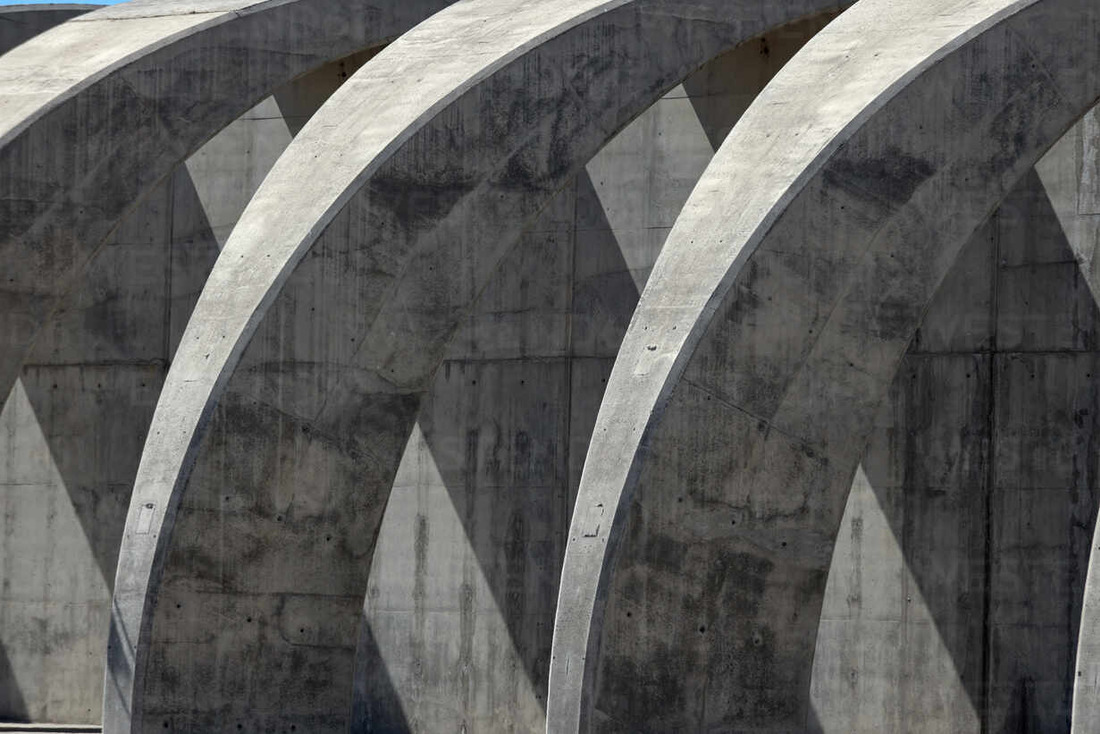
  • For repairing damaged beams and arches
  • To increase the bearing capacity of structural elements
  • For the reconstruction of historical objects
  • To bring objects to the requirements of modern standards
  • When restoring bridges, viaducts, etc. when damaged due to corrosion
  • When correcting mistakes made during construction

Characteristics:

  • A more reliable method of strengthening structures compared to classical ones
  • Possibility to reinforce surfaces with non-standard geometry
  • Minimum weight and material thickness
  • High modulus of elasticity and high mechanical strength
  • Prevents surface damage from impact or explosions.
Chemical basis Carbon fiber fabric
Packaging Roll 50 cm x 100 m
Thickness 0.17 mm
Weight 220 g/m2
Expiration date Unlimited under correct storage conditions
Storage conditions Store in a dry environment between +5 °C and +30 °C, in closed original packaging.
Color Black
Tensile strength > 4,900 MPa
Tensile modulus > 220,000 MPa
Elongation at break            2,1 %


  • Surface quality, seams and joint surfaces must be dry and free from any kind of dust, dirt, loose and loose particles, grout residues, oil and grease.
  • If present on weak concrete parts, they should be removed and the surface repaired with Teknogrout or Teknorep repair mortars.
  • The concrete base must be strong and have sufficient compressive strength (minimum 25 N/mm²) and a peel strength of at least 1.5 N/mm².
  • First you need to prepare and cut the carbon fibers of the required size.
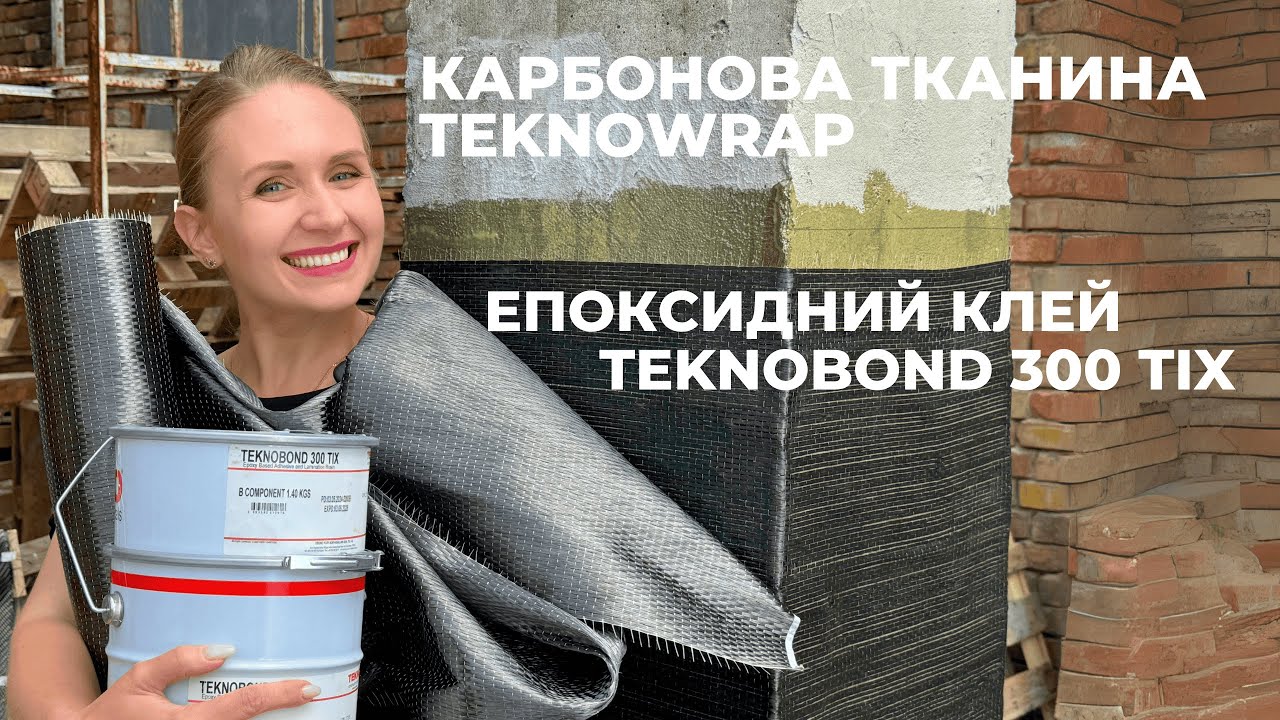
  • Then prepare the Teknobond 300 Tix epoxy adhesive and evenly apply it to the concrete surface with a spatula, then press the Teknowrap 220 carbon fiber cloth to the surface.
  • Remains of glue should be removed immediately with a plastic roller with small teeth.
  • After the completion of the laying of carbon fibers, it is recommended to sprinkle with a thin layer of sand and apply plaster, because carbon fibers do not burn, however, the epoxy grout can catch fire at a certain temperature.

Notes:

  • A structural reinforcement project should be designed and executed under the supervision of an experienced civil engineer.
  • Clean tools and equipment with water immediately after use. Hardened material can only be removed mechanically.
  • The product may cause irritation if it comes into contact with the skin. Work clothes, protective gloves, mask and goggles must be used. Before starting work, you can apply a protective cream on your hands. In case of contact with eyes, immediately rinse eyes with warm water and seek medical advice.
  1. How to strengthen concrete structures with carbon fibers?

Teknowrap carbon fiber reinforcement technology does not require complex training and special skills. The main condition is that the surface must be strong and have sufficient compressive strength (minimum 25 N/mm²) and tear strength of at least 1.5 N/mm². Fibers are installed using Teknobond 300 Tix epoxy adhesive. 

Carbon fiber technology:

  • Prepare and cut the carbon fabric to the desired size.

  • Mix Teknobond 300 Tix epoxy adhesive.

Component B should be added to component A and mixed with a low-speed electric mixer (400 rpm) for 2-3 minutes until a homogeneous working mixture is obtained.

  • Apply the adhesive evenly to the concrete surface using a spatula.

  • Press the carbon fiber fabric firmly against the surface and roll it with a toothed roller.

  • Remove any remaining glue.

  1. Reinforcement of concrete columns with carbon fabric

Reinforcement of columns with carbon fabric consists of wrapping the column with layers of Teknowrap carbon fibers. These fibers have high strength and light weight, allowing to significantly increase the load-bearing capacity and crack resistance of the structure. The carbon fabric works as an additional protective belt, taking on high loads, preventing the structure from collapsing.

  1. Advantages of carbon fibers for concrete repair

Carbon fibers are distinguished by their durability and aesthetic appearance. The main advantages include:

  • Strength: Teknowrap carbon fibers are 14 times stronger than steel.

  • They are lightweight — 5 times lighter than steel

  • High resistance to corrosion and chemical attack

  • Easy to apply, the fabric is elastic and easily takes the desired shape, which allows it to be used to strengthen structures of complex shape. 

  1. Can carbon fabric be used to repair arches and bridges?

Yes, Teknowrap carbon fabric is perfect for repairing arches, bridges and other structures with complex geometric shapes. Thanks to its flexibility, it easily adapts to complex shapes and quickly hardens under the influence of Teknobond 300 Tix epoxy adhesive.

  1. Glue for laminating carbon fibers. Which one to choose?

Teknobond 300 Tix is ​​a two-component solvent-free epoxy resin adhesive. It has a thixotropic consistency (does not flow), provides reliable adhesion to concrete (4 N/mm²) and to Teknowrap fibers. When components A and B are mixed, a strong, homogeneous mass is formed, which bonds the carbon fabric to the concrete.

  1. How to prepare a surface for carbon fiber reinforcement?

Before reinforcing concrete with carbon fibers, it is necessary to ensure its compressive strength (minimum ≥ 25 MPa) and tensile strength of at least 1.5 N/mm². It is also necessary to:

  • Remove weak parts of concrete

  • Clean the surface from dirt, dust, oils

  • Treat the reinforcement: clean and apply Tekno AD corrosion inhibitor and adhesion promoter.

  • If necessary, carry out repair work using Teknorep 300 EX and Teknorep 200 concrete repair mixtures. 

  1. Reinforcement of concrete beams and slabs with carbon

When reinforcing beams and load-bearing slabs, the strengthening technology using Teknowrap carbon fibers and Teknobond 300 Tix epoxy resin adhesive is successfully used: the surface is cleaned, the adhesive is applied, the carbon fabric is glued, and the roller is rolled in. The use of the technology increases the strength of the concrete and prevents the formation of cracks.

  1. What materials should be chosen for the restoration of historical buildings?

For the restoration and reconstruction of historical buildings, it is important to use materials that will prevent further destruction of the structures without changing the architecture. The best solution would be to use the Teknowrap carbon fiber reinforcement system and Teknobond 300 Tix adhesive. Carbon fibers are very elastic, their thickness is only 0.12 mm, they easily take the desired shape and quickly harden under the action of epoxy adhesive.

  1. How to fix construction errors?

If the structure has insufficient load-bearing capacity, Teknowrap carbon fibers allow for local reinforcement and correction of these defects without complete dismantling or reconstruction.

Product publications

How to strengthen a reinforced concrete structure with non-standard geometry

Composite materials such as fiberglass or carbon fiber can be used to reinforce irregular shapes and surfaces.

Read article
How and with what to strengthen reinforced concrete structures?

To strengthen reinforced concrete structures, a condition analysis must be performed to determine the best method and materials for strengthening

Read article
Materials for the reconstruction of architectural monuments

Today, modern materials that have the look and texture of historical counterparts are used in the reconstruction of historical objects.

Read article
What is carbon fabric?

Carbon fabric, also known as carbon fiber, is a material consisting of carbon fibers bonded into a fabric or matrix using resin

Read article