Reconstruction of architectural monuments requires a special approach and consideration of the historical and cultural value of the building. When selecting materials for the reconstruction of architectural monuments, it is necessary to strictly comply with the rules and regulations established by local authorities and organizations for the preservation of historical objects. In this article we will talk about the materials that are recommended for use in the reconstruction of architectural monuments.

 If possible, it is important to preserve and use original historical materials such as brick, stone, wood, metal and so on. This helps maintain the authenticity of the building.
Brick is often used in reconstruction and restoration of old buildings. It can be selected based on color and texture to match the original materials.
If the building was originally built of stone, stone of the same type and color is often used for reconstruction. Stone can also be restored and restored.
Wood can be used to restore wooden facade elements or interior parts. It is important to choose wood that has good durability and resistance to the elements.
Metal elements such as iron and cast iron can be used to restore fences, balconies and other parts. They can be restored and protected from corrosion.
Restoring glass elements such as windows and stained glass may require special glass that matches the old glass in thickness and texture.
 Today, modern materials that have the look and texture of historical counterparts are used in the reconstruction of historical objects. These can be various decorative plasters and similar materials.
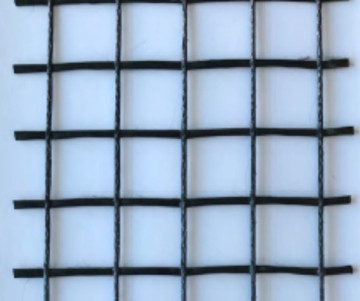
Also, in addition to returning the appropriate appearance of the structure, it is necessary to take care of strengthening objects that are hundreds or even thousands of years old. In this matter, it is necessary to choose materials that will not change the shape of the structure, as well as thicken its elements. The best option is to use carbon systems that are compatible with a variety of building geometries, do not change their thickness and provide excellent wear resistance and durability.
When renovating historic buildings, it is important to work with architects and engineers experienced in historic buildings, as well as local preservation authorities, to ensure that all requirements and regulations regarding historic preservation and restoration are met.


_383_1693917932.jpg)

